
Blog
9 Packaging Mistakes That Cost You Money
Most packaging problems do not show up as one large expense. They show up a little at a time, in damage claims, in overtime, and


Most packaging problems do not show up as one large expense. They show up a little at a time, in damage claims, in overtime, and

In the world of e-commerce one of the most important things a company has is the perception of your products when they arrive in the hands of the end user. That perception starts with the appearance and quality of your packaging. The unboxing of your product can make or break your brand. A positive unboxing experience is easy to achieve, that is if you learn from these unboxing blunders.
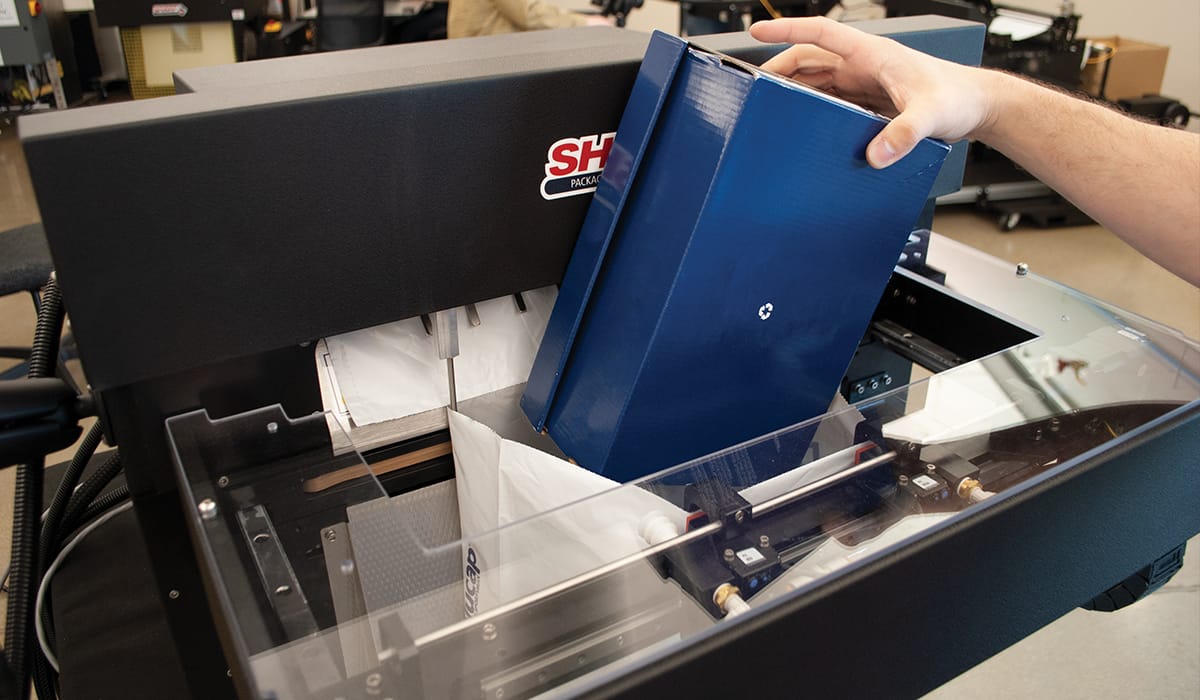
A successful packaging operation ultimately depends on maintaining sufficient throughput while keeping costs as low as possible. Once the volume of the product you’re handling reaches a certain point, the best way to accomplish those two objectives is to start implementing higher levels of packaging automation.

In the ever-changing world of sustainable packaging, many people think that going green means moving away from plastics and other materials considered harmful. At times, this can be helpful but another thing that really makes a difference is how we decide the packaging material we use. There are two main terms you should know: Post-Consumer Recycled (PCR) and Post-Industrial Recycled (PIR) materials.
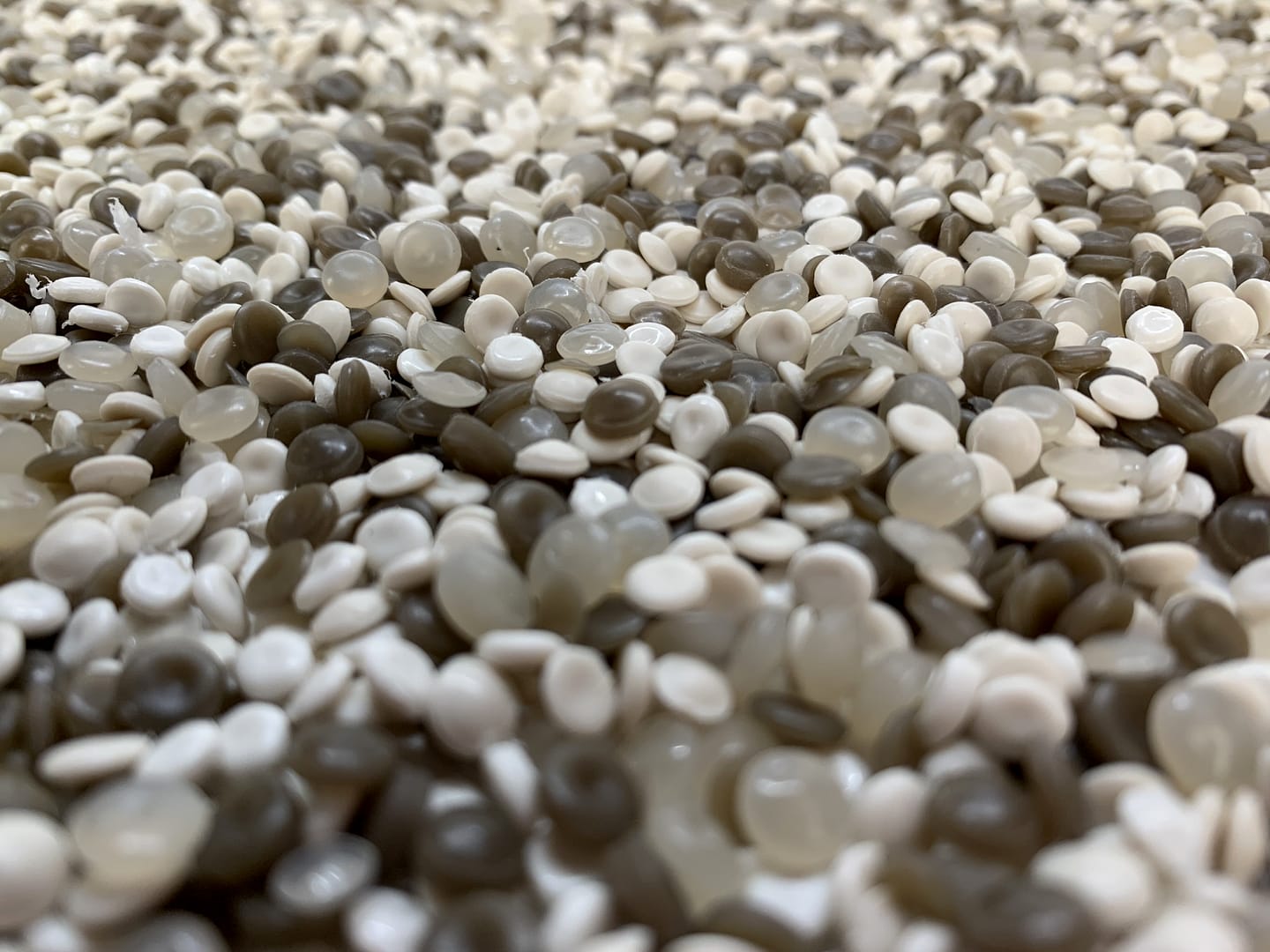
Increasing the sustainability of your packaging operation and lowering your costs at the same time are important goals, and the easiest way to obtain both is to reduce packaging waste. According to the EPA, packaging materials make up about 30% of all waste generated in the United States each year. Despite efforts to recycle and reuse, much of those materials end up in landfills.
Sustainability can mean so many things to different companies. When we say “sustainable” or “environmentally friendly” packaging, we’re referring to materials that can be recycled, reused, are biodegradable, or have been produced from renewable resources. Sustainable packaging options are those using materials that will be used again or can be returned to the earth, causing less environmental impact.