

Plastic Strapping Michigan

What Is Plastic Strapping?
At The Packline Co., we’ve been at the forefront of providing innovative packaging solutions in Michigan for over seven decades. One essential component of our offerings is plastic strapping, a versatile and robust material used to secure and stabilize packages during transit. This type of strapping is crucial for keeping products safe, whether they are lightweight bundles or heavy loads, and it plays a vital role in numerous industries from logistics to retail.
Plastic strapping is primarily made from either polypropylene (PP) or polyethylene terephthalate (PET). These materials offer a blend of durability and elasticity, making them ideal for a range of applications. Polypropylene is known for its cost-effectiveness and flexibility, while PET provides greater tensile strength and stability, resembling the characteristics of steel strapping. Each type serves specific needs, ensuring that packages remain secure without compromising on efficiency.
How Is Plastic Strapping Made?
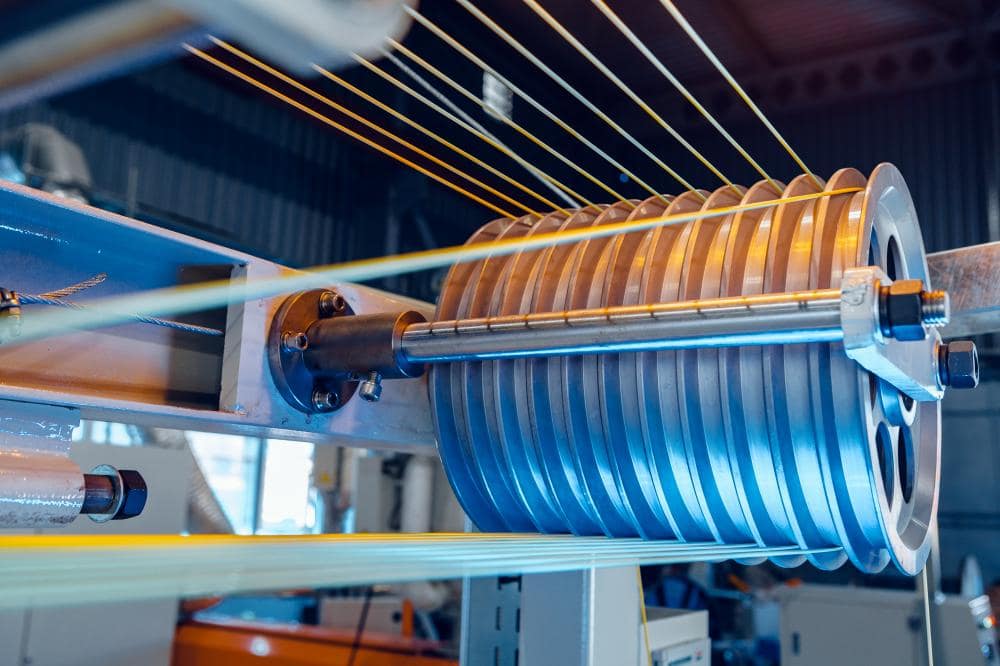
Creating plastic strapping involves a meticulous process that starts with the extrusion of plastic resin. For polypropylene and polyester strapping, either single or multi-strand extrusion techniques are employed. These strands are then subjected to heat, stretched to align the polymer chains, and cooled to enhance their tensile strength. This process ensures that the straps are not only robust but also capable of retaining tension over time.
At The Packline Co., we understand the importance of precision in manufacturing. By using top-tier machines and quality materials, we ensure our strapping solutions meet the high standards needed for today’s packaging challenges. The final product is available in various widths and thicknesses, catering to a wide array of packaging requirements. By prioritizing efficiency and innovation, our manufacturing processes guarantee that our clients receive only the best strapping materials.
Benefits of Using Plastic Strapping
Plastic strapping offers several advantages over traditional strapping materials, such as steel or twine. One of the most significant benefits is its flexibility and resiliency, which allow it to absorb impacts during transport without breaking. This makes it particularly valuable for securing products that may experience shifts or movements while being shipped.
Additionally, plastic strapping is highly resistant to moisture and UV light, making it suitable for outdoor storage and harsh environmental conditions. Its lightweight nature also reduces the overall weight of packaged goods, helping to cut down on shipping costs. Our customers at The Packline Co. often praise its ease of use, as plastic strapping is more user-friendly and safer to handle than steel, reducing the risk of injuries in the workplace.
Common Applications
Plastic strapping is incredibly versatile, finding applications across various sectors. From securing corrugated boxes and pallets to bundling newspapers and securing heavy-duty industrial loads, it’s a packaging staple. Industries such as logistics, construction, and retail rely heavily on strapping to maintain the integrity of their shipments.
In our experience, clients in the Christmas tree and nursery stock industry have benefited immensely from using plastic strapping. We provided a tailored solution that improved their packaging processes, leading to cost savings and enhanced product protection during transit. Our ability to customize solutions ensures that businesses of all sizes can find their perfect strapping match.
Comparing Polypropylene and Polyester Strapping
Within the realm of plastic strapping, there are distinct differences between polypropylene and polyester options, each with unique characteristics suited to different applications. Polypropylene strapping is known for its considerable elongation and flexibility, often used for lightweight to moderate load securing where a cost-effective solution is required.
Polyester strapping, on the other hand, offers superior tensile strength and is less prone to stretching under tension. This “steel-like” quality makes it ideal for securing heavier loads, providing long-lasting tension stability. At The Packline Co., we help our customers select the right type of strapping based on their specific needs, ensuring optimal performance and cost efficiency.
Recycling and Sustainability
The sustainability of packaging materials is a growing concern for many businesses, and at The Packline Co., we take this seriously. Both types of plastic strapping–PP and PET–are recyclable, contributing to a circular economy. While they are not typically included in residential recycling programs, commercial facilities can process them efficiently.
Our commitment to sustainability extends to our manufacturing processes, where we prioritize the use of recycled materials. This not only reduces environmental impact but also provides a market for recycled plastics. Many of our clients appreciate these efforts, knowing they are partnering with a company that prioritizes eco-friendly practices while delivering high-quality packaging solutions.
Innovations in Strapping Technology
Traditional strapping methods have evolved significantly, with technological advancements enhancing efficiency and performance. At The Packline Co., we continuously explore new technologies that can improve our offerings. From ultrasonic sealing, which eliminates harmful emissions in PET strapping, to advanced extrusion techniques, we are committed to leading the way in strapping innovation.
These advancements not only improve the strength and effectiveness of the straps but also optimize the ease of use for operators, resulting in quicker packaging times and enhanced workplace safety. Our proactive approach to adopting new technologies ensures that our clients stay ahead of the curve in their packaging operations.
Our Experience with Plastic Strapping
Having been in the packaging industry for over 70 years, The Packline Co. has accumulated extensive knowledge and expertise in plastic strapping solutions. Our family-owned business prides itself on building strong relationships with our customers, evident in our success stories and customer testimonials.
One memorable experience involved working with a large logistics company to optimize their packaging line. By switching to a more efficient plastic strapping solution, we enhanced their operational efficiency, reduced costs, and improved product protection. Stories like these reflect our dedication to providing innovative and strategic solutions that meet our customers’ unique needs.
It’s these partnerships and successes that drive us to continue improving and expanding our services. At The Packline Co., we are more than just a packaging supplier; we are a trusted advisor and partner in helping businesses achieve their goals.
Overcoming Challenges with Plastic Strapping
Despite its advantages, plastic strapping presents certain challenges that businesses need to address. Temperature variations can affect the strap’s performance, particularly if the wrong type of plastic is used for the application’s environmental conditions. At The Packline Co., we guide our clients through these considerations, helping them choose materials that ensure reliable performance under diverse circumstances.
Another challenge lies in balancing cost with performance. While plastic strapping is generally more economical than steel, selecting the right type and quality of strapping to match specific load requirements can make a significant difference in long-term savings and effectiveness. Our tailored solutions address these challenges head-on, providing our clients with strategies that optimize both cost and functionality.
Through our expertise and thoughtful approach, we help companies navigate these challenges, turning potential obstacles into opportunities for innovation and success.
What is plastic strapping used for?
Plastic strapping is an incredibly versatile tool used across a wide array of industries. At The Packline Co., we’ve seen it applied in securing everything from lightweight boxes to heavy-duty industrial loads. For example, consider a logistics company handling shipments that need to remain stable during transit–plastic strapping is perfect for this task. Its durability and flexibility make it ideal for industries ranging from construction to retail, where maintaining product integrity is crucial. We’ve even tailored solutions for the Christmas tree and nursery stock industry, highlighting its adaptability. Have you ever wondered how certain industries manage to transport large, unwieldy items with ease?
What is the cheapest strapping?
Among the various strapping materials, polypropylene (PP) strapping stands out as the most cost-effective option. At The Packline Co., we often recommend PP for its affordability and flexibility. It’s particularly well-suited for light to medium load applications where budget constraints are a consideration. For instance, a small retail business needing to bundle its products for shipping might find PP strapping to be a practical and economical choice. It’s essential, however, to balance cost with the specific needs of your application to ensure both efficiency and effectiveness. How might cost savings affect your choice in packaging materials?
What is the difference between banding and strapping?
While the terms “banding” and “strapping” are often used interchangeably, they can have different meanings based on context. At The Packline Co., banding generally refers to the process of securing a load with a band or strap, whereas strapping specifically relates to the materials and methods used to do so. Banding could involve the use of steel, polypropylene, or polyester, depending on the required strength and flexibility. For instance, in a scenario where heavy machinery is being transported, steel bands may be used for their tensile strength, while plastic strapping is an excellent choice for lighter, everyday applications. Have you ever considered how the right material choice can impact transport safety and cost?
What is the difference between PET and poly strapping?
Polyethylene terephthalate (PET) and polypropylene (poly) strapping each offer distinct advantages. PET is known for its higher tensile strength and durability, making it comparable to steel strapping. It’s perfect for securing heavy loads without stretching, ensuring long-term tension stability. Conversely, polypropylene is more flexible and economical, ideal for lighter loads. At The Packline Co., we guide our clients in choosing between these options based on their specific needs–such as stability versus cost. Imagine needing to secure heavy pallets for long-term storage; PET would be the optimal choice, while polypropylene might be preferable for short-term, lighter transit needs. Which qualities are most important for your packaging requirements?
How does plastic strapping contribute to recycling and sustainability?
At The Packline Co., our commitment to sustainability informs our material choices, including plastic strapping. Both polypropylene and PET can be recycled, supporting a circular economy and reducing environmental impact. While these materials aren’t commonly processed in household recycling programs, commercial facilities efficiently handle them. We’ve found that our clients appreciate using recycled materials, which not only benefits the environment but also supports sustainable business practices. Imagine a future where all businesses contribute to a closed-loop recycling system–plastic strapping is one step towards that vision. How might sustainable practices influence your business decisions?
What innovations are shaping the future of plastic strapping?
The Packline Co. prides itself on staying at the forefront of packaging technology. Recent innovations in plastic strapping include ultrasonic sealing techniques, which eliminate emissions and enhance joint strength in PET strapping. Advanced extrusion methods have also improved the material’s reliability and usability. These developments not only enhance performance but also make the strapping process more efficient and safer for operators. Imagine the impact of these technologies on reducing packaging time and increasing safety–it’s transformative. What role do you think innovation should play in the evolution of your packaging processes?
Resources
- Environmental Protection Agency – The Environmental Protection Agency (EPA) is a government organization dedicated to protecting human health and the environment. Their website offers information on recycling and sustainability practices.
- United Nations – The United Nations is an international organization committed to promoting peace, human rights, and sustainable development. Their website provides resources on global sustainability efforts.
- World Wildlife Fund – The World Wildlife Fund (WWF) is a leading conservation organization working to protect the planet’s most vulnerable species and ecosystems. Their website offers information on environmental conservation and sustainability.
- Global Recycling Foundation – The Global Recycling Foundation is dedicated to promoting and celebrating the importance of recycling worldwide. Their website provides resources on recycling initiatives and best practices.
- U.S. Department of Energy – The U.S. Department of Energy is a government agency focused on advancing energy and environmental sustainability. Their website offers information on sustainable energy solutions and initiatives.